Browse all topics
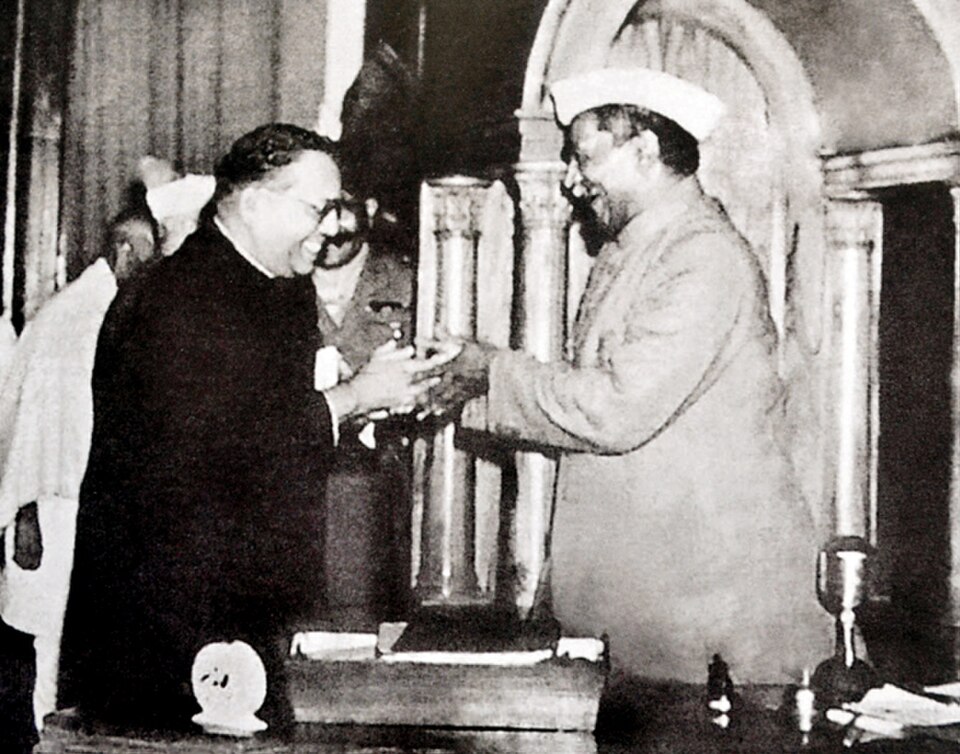
Drafting the Indian Constitution
How a 299-member Constituent Assembly, guided by B. R. Ambedkar's Drafting Committee, spent almost three years producing the world's longest written constitution.
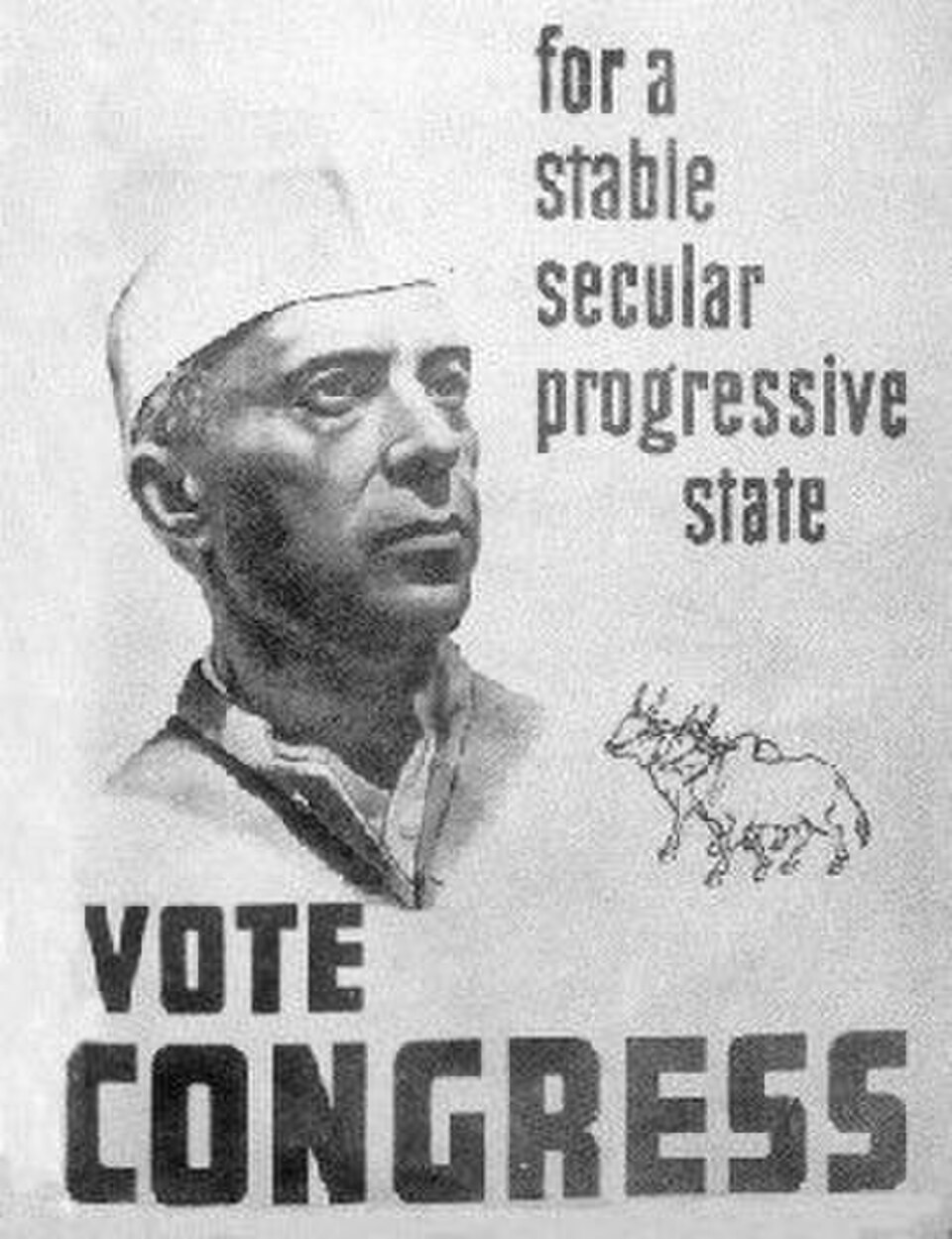
India's First General Election (1951-52)
Between October 1951 and February 1952, roughly 173 million Indians, most of them unable to read a ballot, took part in the largest election the world had yet seen.
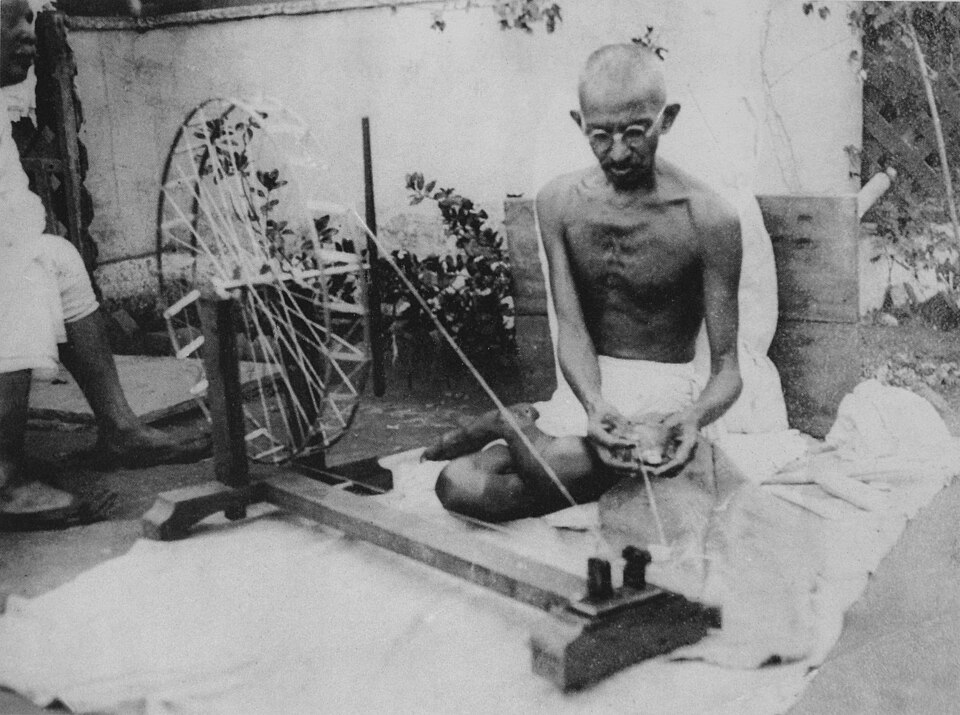
Mahatma Gandhi and the Non-Cooperation Movement
Gandhi's first nationwide campaign turned Indian nationalism from an elite pursuit into a mass movement — until one violent incident brought it to an abrupt halt.
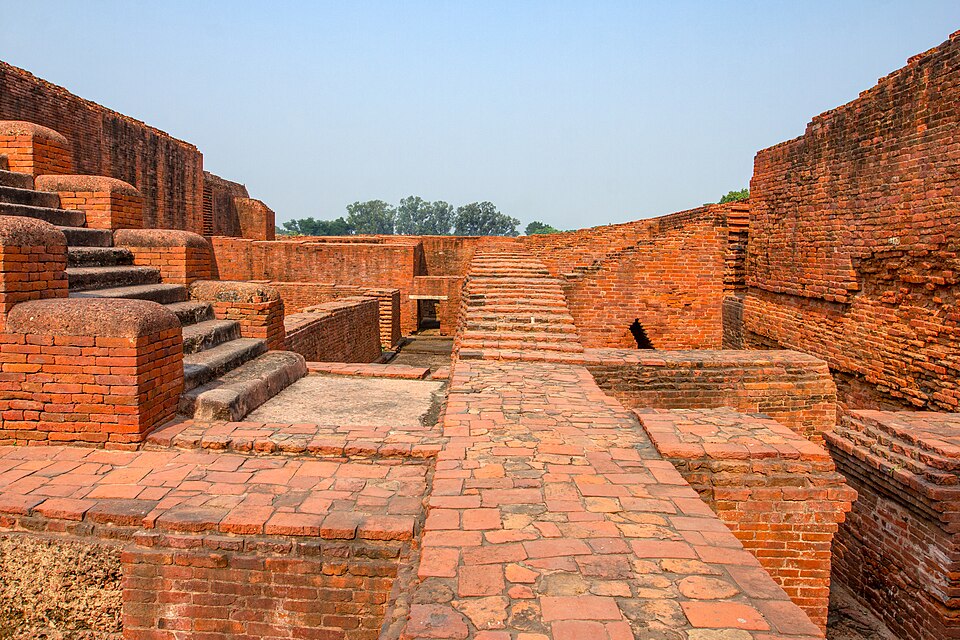
Nalanda and Ancient Indian Universities
A Bihar monastery-university that drew Buddhist scholars from across Asia for some seven centuries, until an attack around 1200 CE brought its most active era to an end.
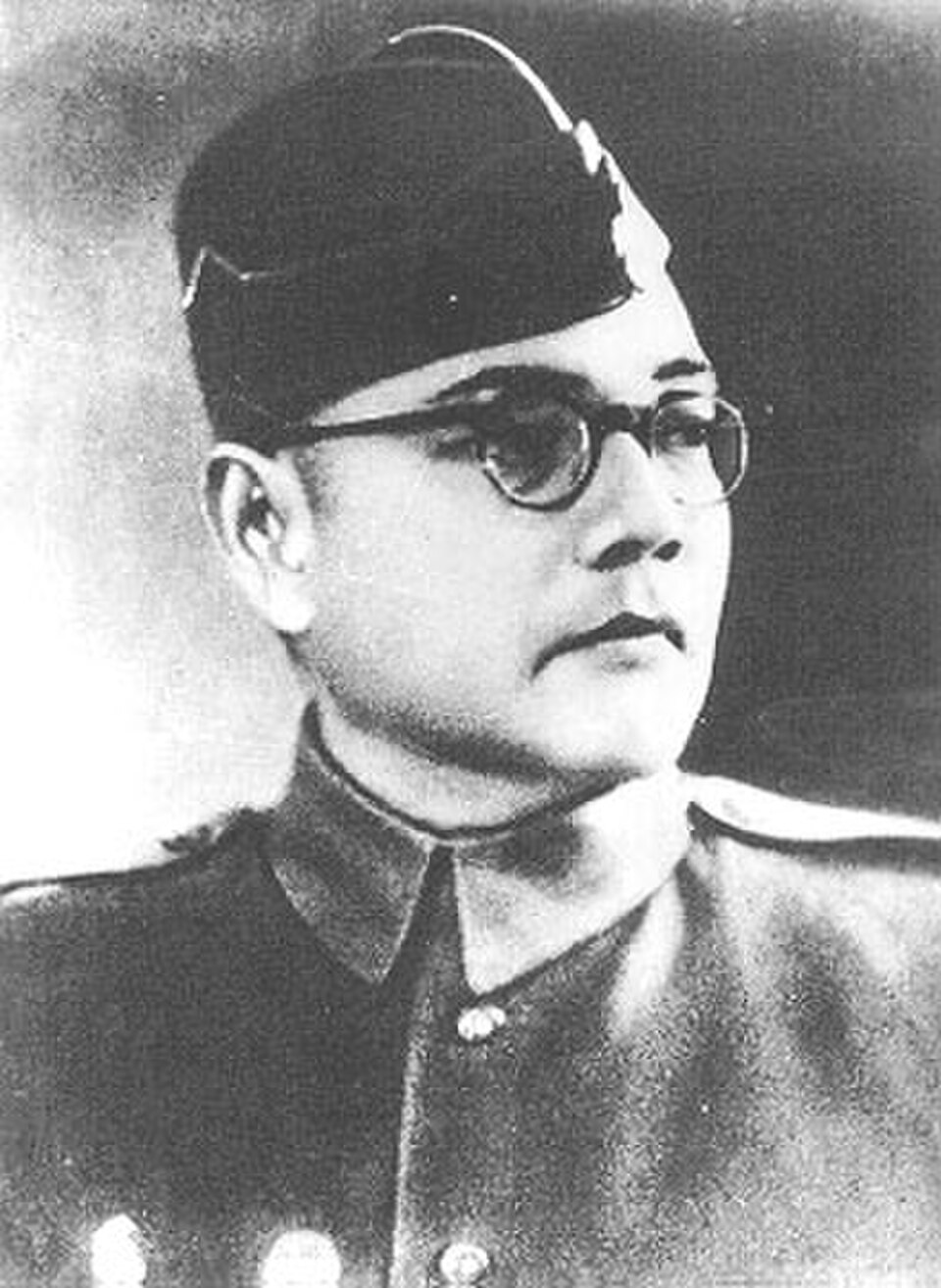
Netaji Subhas Chandra Bose and the INA
Subhas Chandra Bose sought Axis support to build an army against British rule — and died, by the best-supported account, in circumstances still debated today.
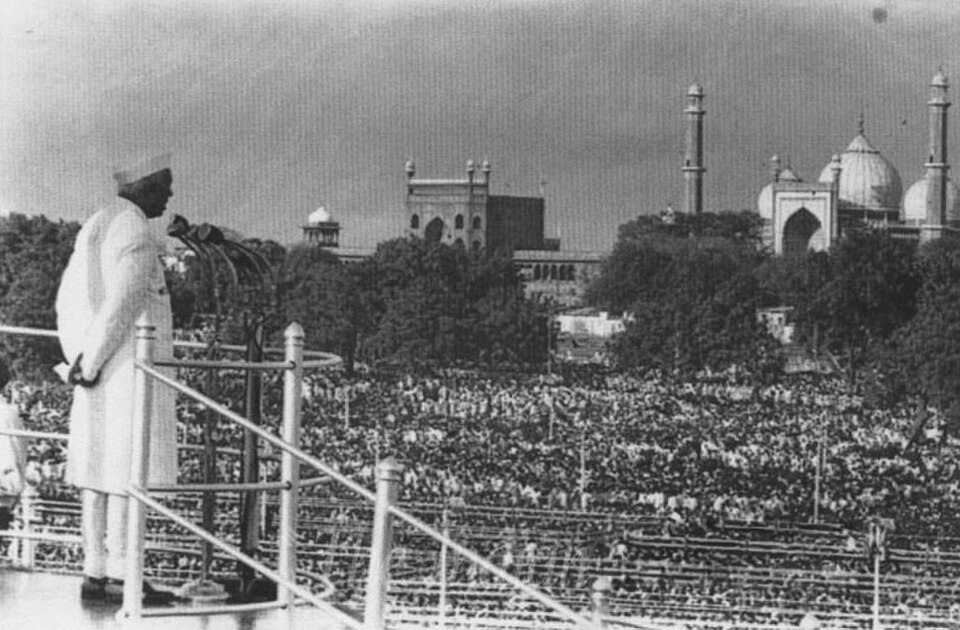
Partition and Independence (1947)
At midnight on 15 August 1947, British rule ended and India became independent — alongside a partition whose human toll historians still cannot fully agree on.
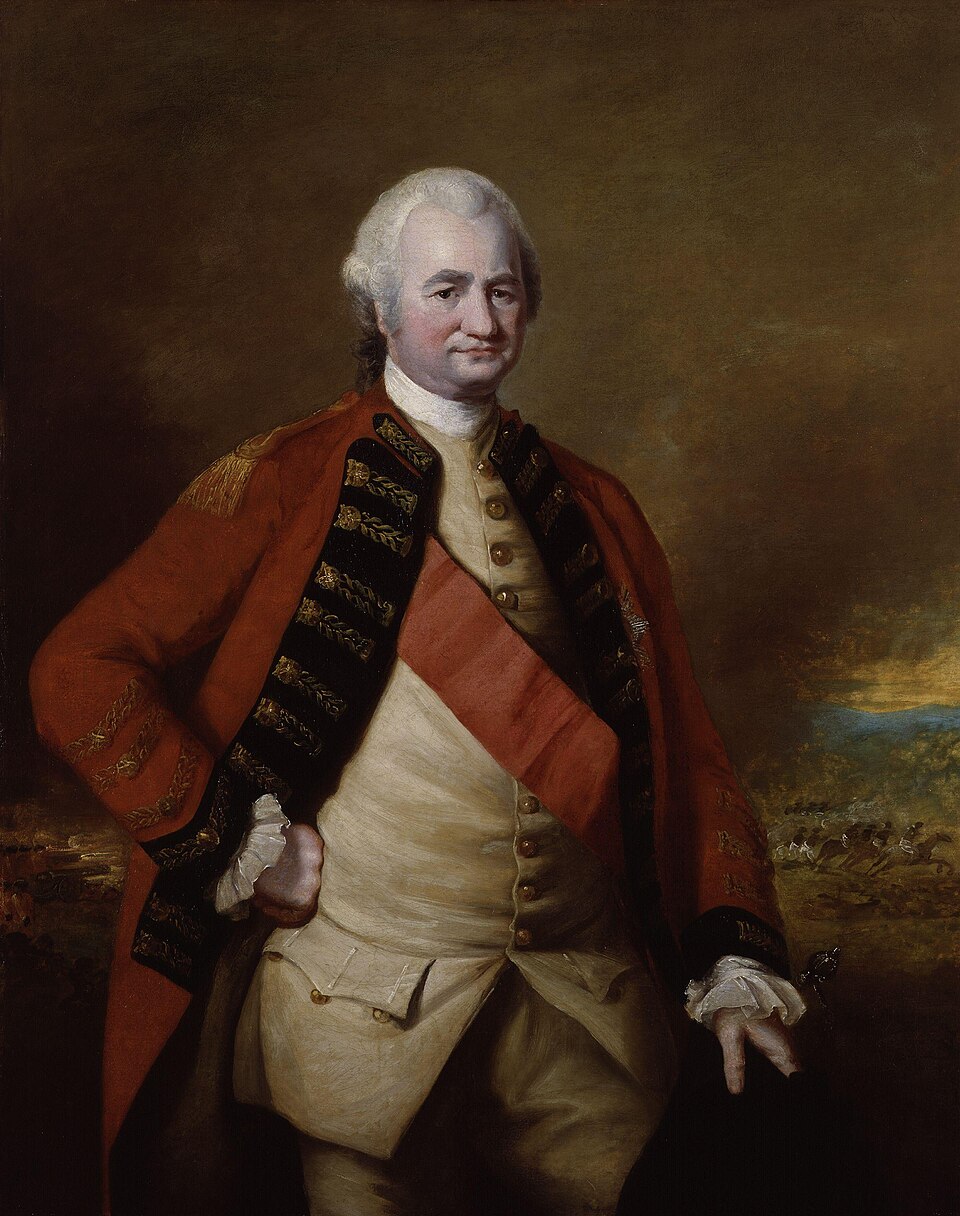
The Arrival of the East India Company
A London trading company chartered for pepper and cloth ended up ruling a subcontinent — a shift historians trace to a rigged battle in Bengal and the famine that followed.
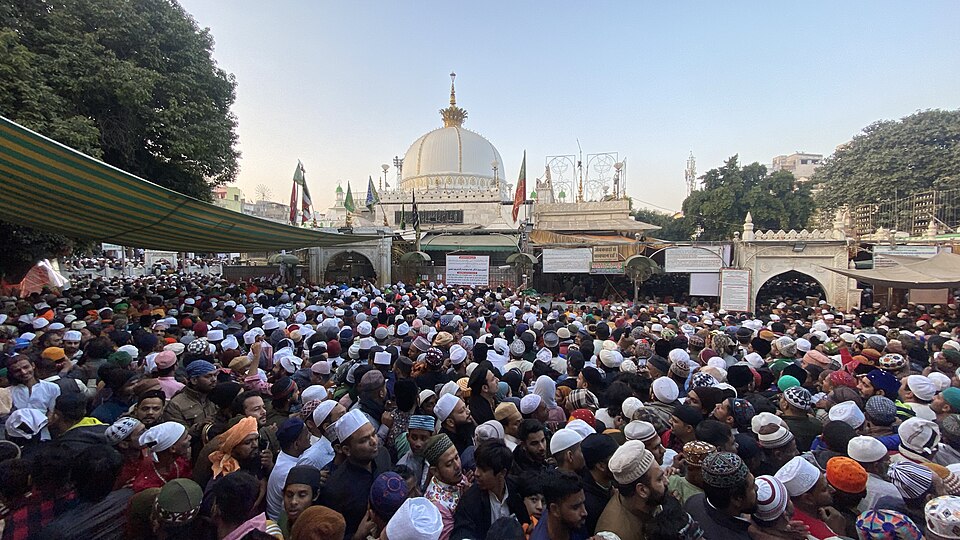
The Bhakti and Sufi Movements
Two devotional traditions, one rooted in Hindu bhakti and one in Islamic Sufism, that ran alongside each other across medieval India and reshaped religious life in vernacular language rather than priestly Sanskrit or scholarly Arabic.
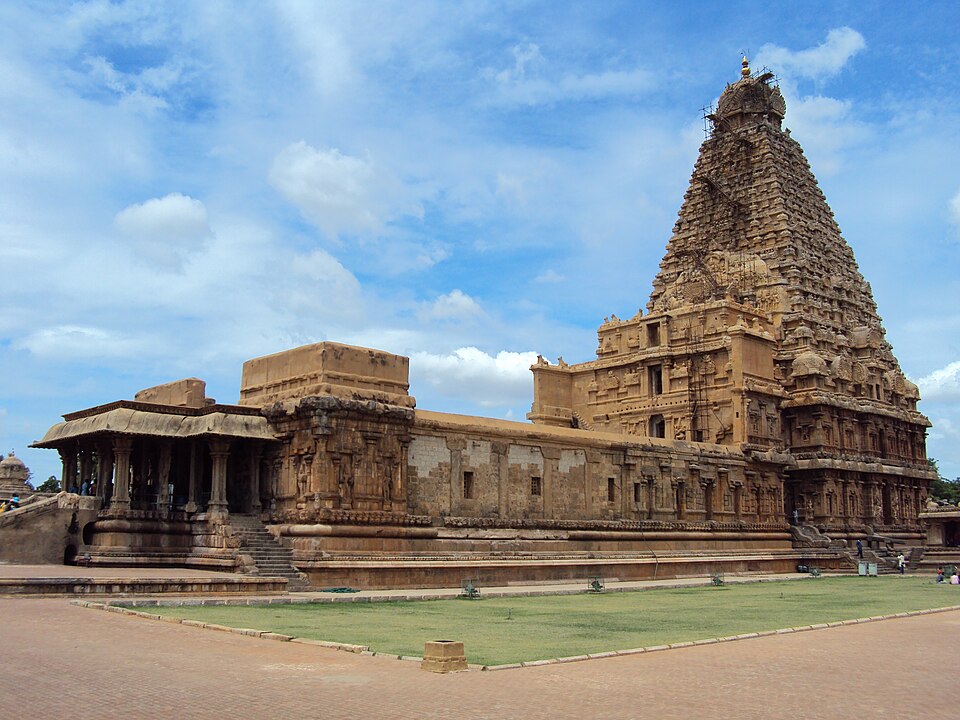
The Chola Dynasty
A Tamil dynasty that built South India's most powerful medieval state, sent a navy across the Bay of Bengal, and left behind some of the finest bronze and temple art in Indian history.
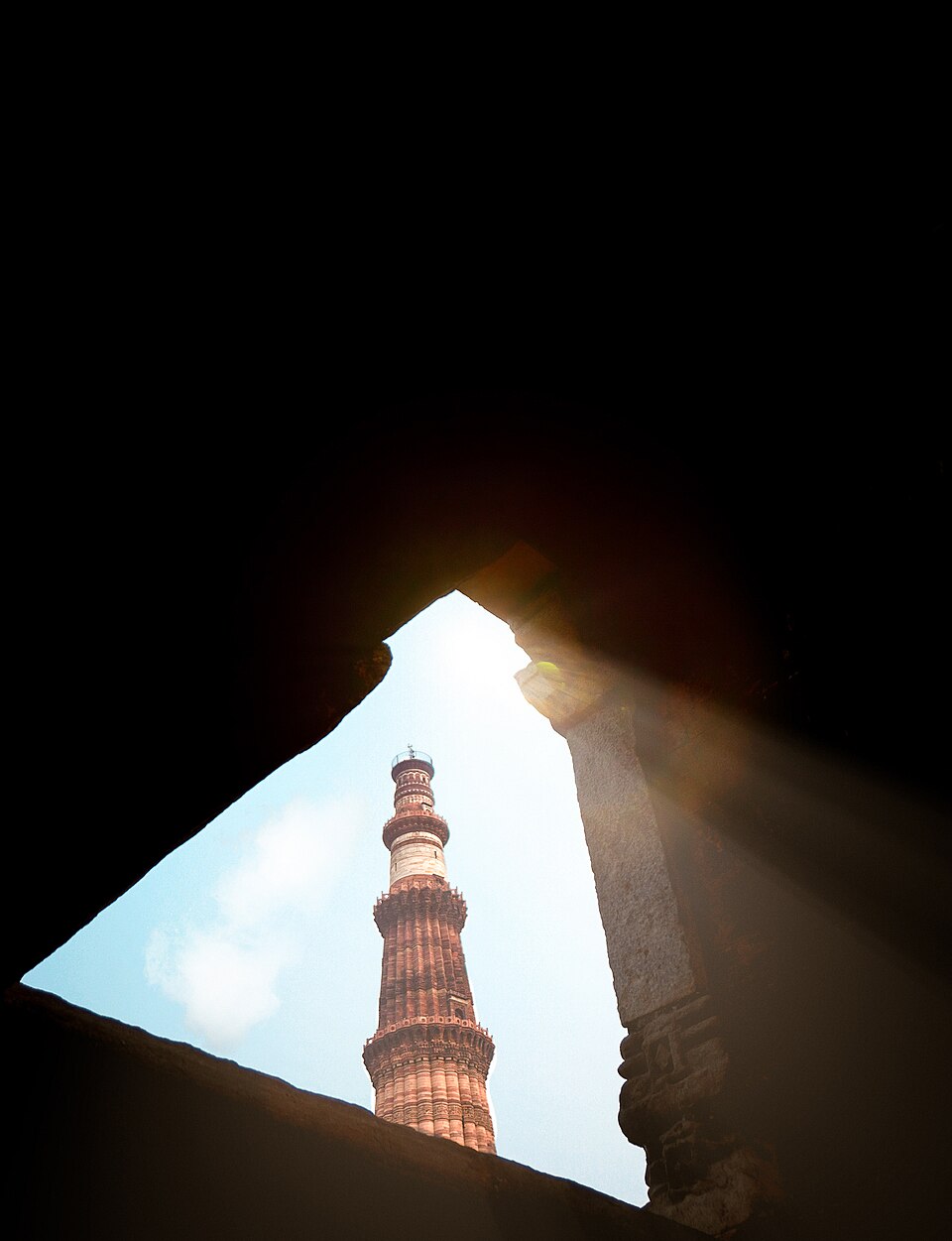
The Delhi Sultanate
Five dynasties, three centuries: how a line of Turkic and Afghan sultans centered on Delhi reshaped North Indian politics, architecture, and administration before giving way to the Mughals.
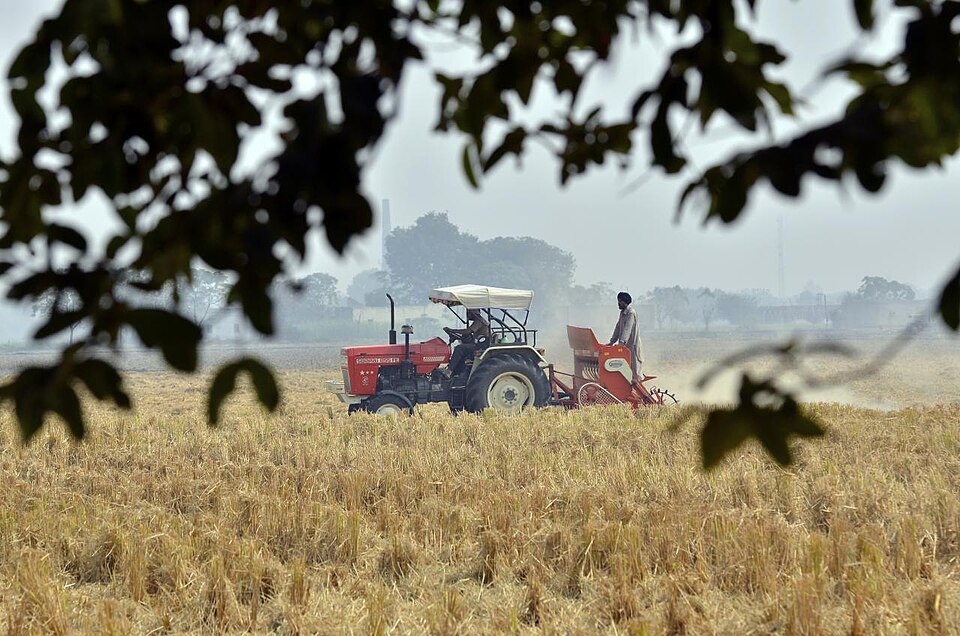
The Green Revolution
How new high-yielding wheat varieties, adopted at speed in Punjab and Haryana from the mid-1960s, turned a food-importing India into a grain-surplus one — at a real ecological and regional cost.
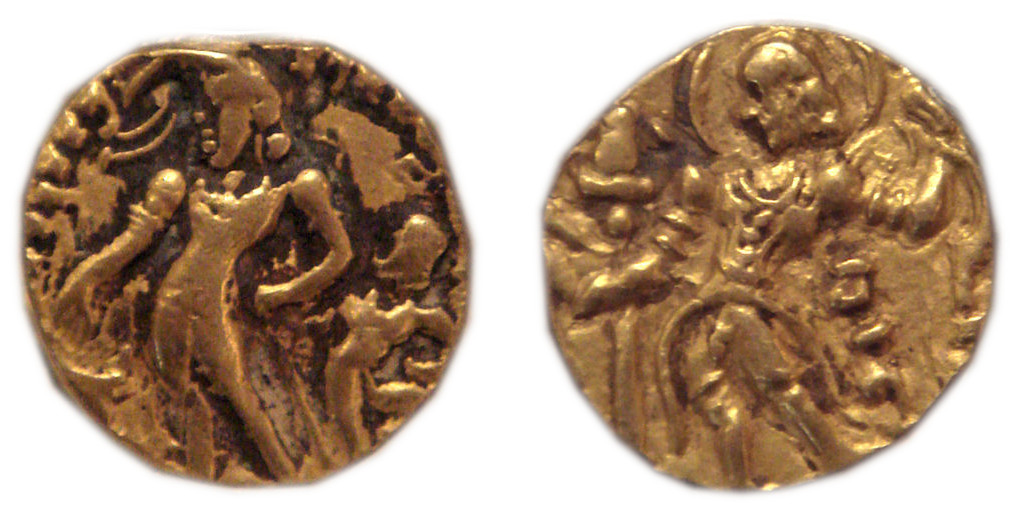
The Gupta Empire
A dynasty whose two centuries of rule produced Aryabhata's astronomy, Kalidasa's poetry, and the Iron Pillar of Delhi — an era historians still debate calling a straightforward 'Golden Age.'