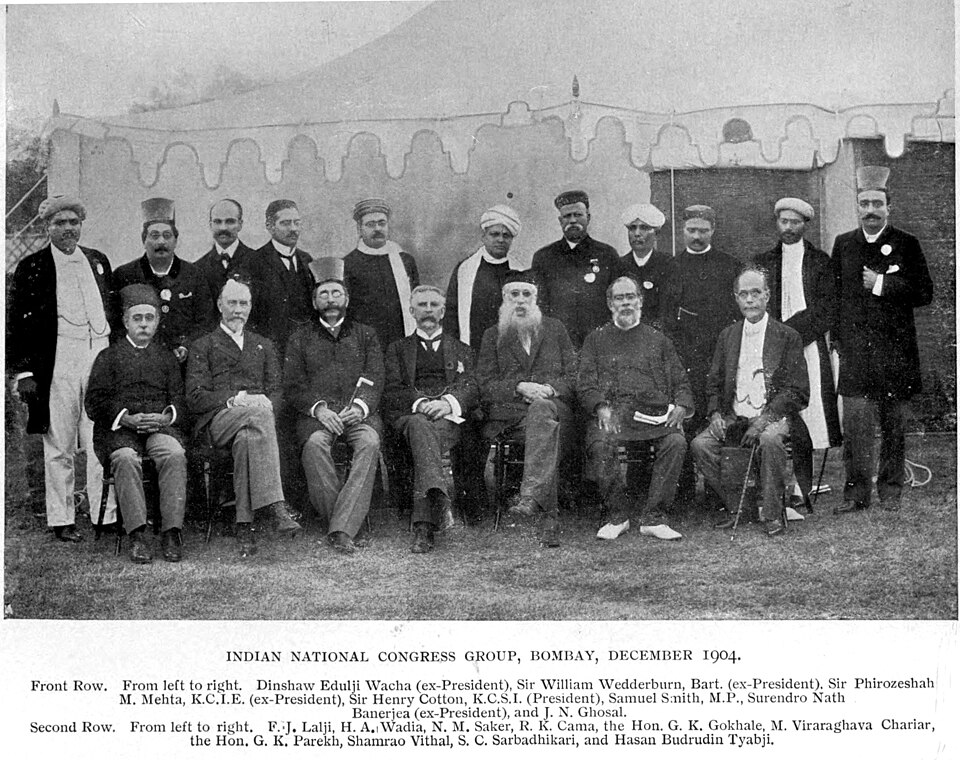
On 28 December 1885, seventy-two delegates gathered at Gokuldas Tejpal Sanskrit College in Bombay for the first session of the Indian National Congress, electing the Calcutta barrister Womesh Chunder Bonnerjee as its first president. The organization's most visible early organizer was not Indian at all: Allan Octavian Hume, a retired Indian Civil Service officer, did much of the practical work of convening the first session and served as the Congress's general secretary for its first 22 years, working alongside prominent Indian leaders such as Dadabhai Naoroji and Dinshaw Edulji Wacha. For decades a popular account held that Hume acted with the tacit encouragement of the Viceroy, Lord Dufferin, who supposedly wanted a controlled, constitutional outlet — a "safety valve" — for educated Indian discontent, to head off any repeat of the violence of 1857. This "safety valve theory" was widely repeated through much of the twentieth century, but later historians examining Dufferin's private correspondence found no evidence that he sponsored or even took Hume's plans seriously; by 1888 Dufferin was publicly dismissing the Congress as a "microscopic minority." Most historians today therefore treat the safety-valve theory as unproven at best, while agreeing that Hume's organizing energy was real and that the Congress's early leadership was overwhelmingly Indian in composition and ambition.
A moderate beginning
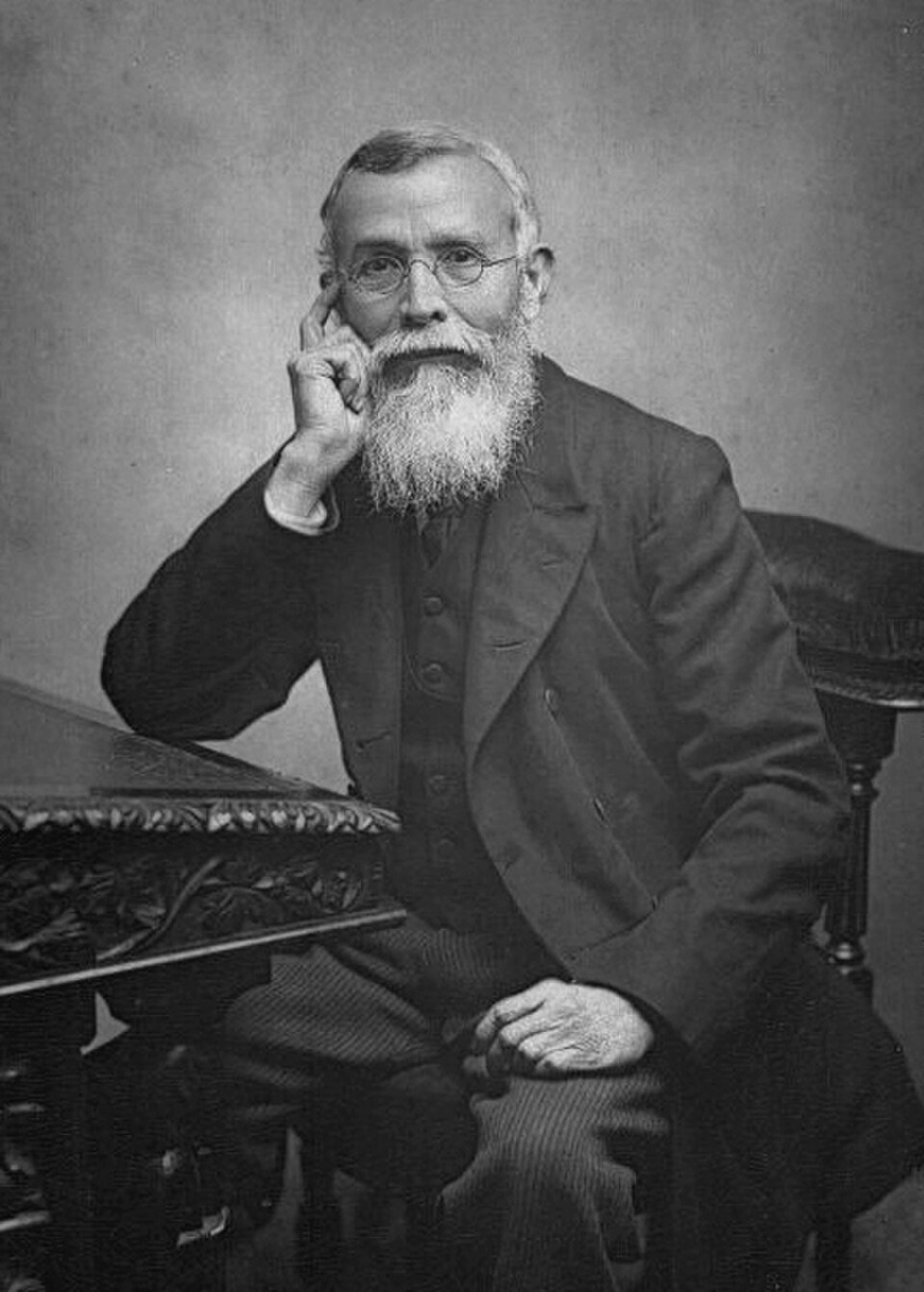
In its first two decades, the Congress was a small, elite body of lawyers, journalists, and landholders that met annually to pass resolutions asking the colonial government for specific reforms — wider Indian representation in legislative councils, competitive civil service examinations held simultaneously in India and England, and reduced military spending — rather than to challenge British rule itself. Dadabhai Naoroji, who served as Congress president three times and became the first Indian elected to the British House of Commons, in 1892, was among the most influential of these early "Moderates," and his "drain of wealth" theory, arguing that British rule systematically transferred Indian wealth to Britain through unequal trade, salaries, and pensions, gave the movement's economic grievances a rigorous intellectual foundation well before mass politics existed.
Moderates, Extremists, and a widening movement
That cautious, petition-based approach came under pressure after Lord Curzon's 1905 partition of Bengal, ostensibly an administrative measure but widely read as a deliberate attempt to weaken Bengali political unity along religious lines. The partition triggered the Swadeshi movement — boycotts of British goods and the promotion of Indian-made products — and brought a younger, more assertive group of leaders to prominence: Bal Gangadhar Tilak, Bipin Chandra Pal, and Lala Lajpat Rai, together nicknamed "Lal-Bal-Pal," who argued for direct mass action rather than polite petitioning and were labeled "Extremists" in contrast to Gopal Krishna Gokhale's "Moderates." The disagreement over methods and goals came to a head at the Congress's 1907 session at Surat, where the party split openly into two factions; the two wings did not formally reunite until the 1916 Lucknow session, which also saw Congress reach a rare working agreement with the Muslim League on constitutional demands. By the time Mohandas Gandhi assumed effective leadership of the Congress after 1919-20, the organization had already been transformed once, from a small annual conference of English-educated professionals into a body capable of organizing genuinely popular unrest — a foundation Gandhi would build on to turn Congress into the vehicle of a true mass movement over the following decades. From a single meeting of 72 men in a Bombay college hall, the Congress had become, within a generation, the central institution of Indian nationalist politics, a position it would hold for the rest of the freedom struggle.