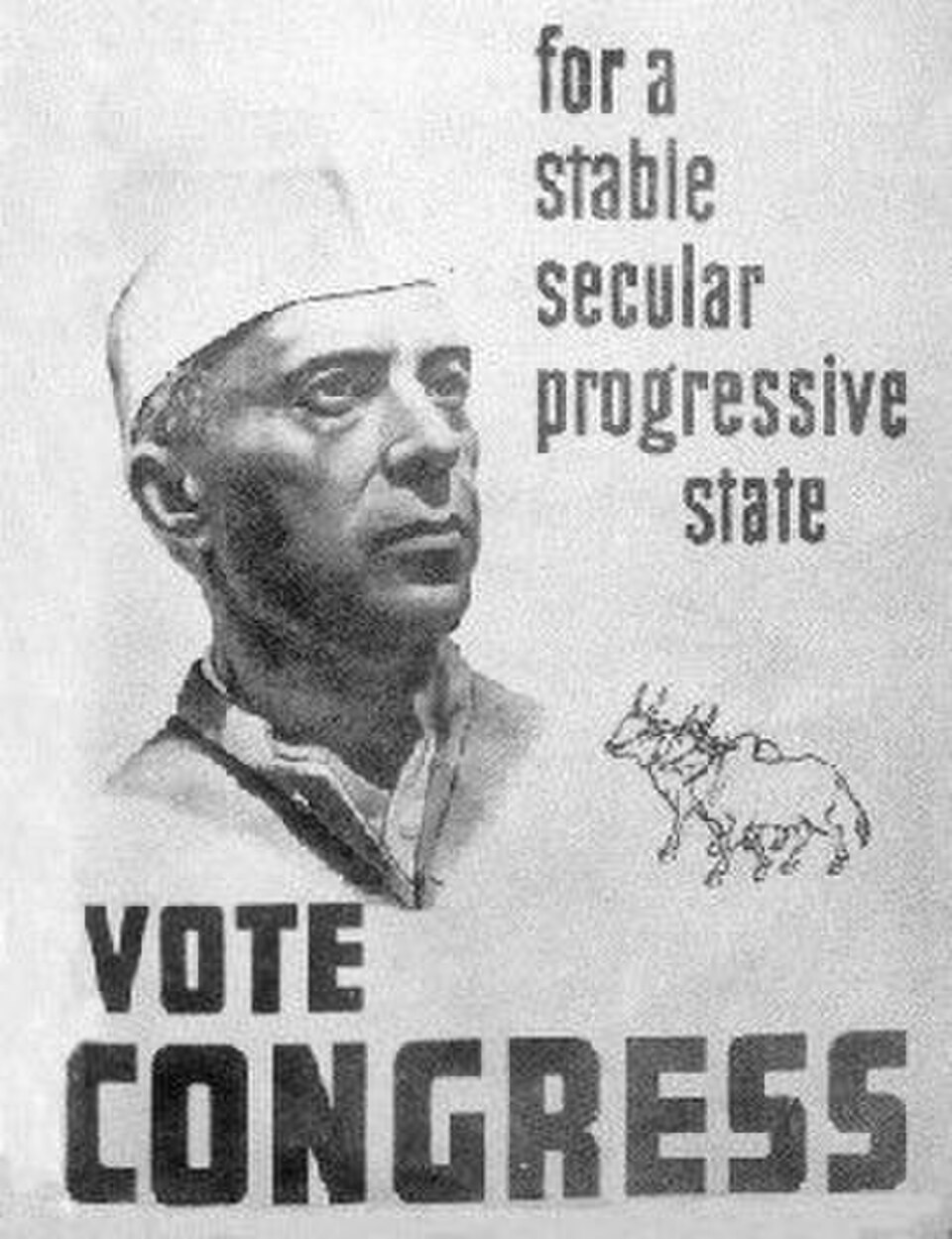
Between 25 October 1951 and 21 February 1952, independent India held its first general election under the constitution that had come into force less than two years earlier. It was, at the time, the largest exercise in democratic voting the world had seen: roughly 173 million people were registered to vote, under a system of universal adult franchise that gave every citizen aged 21 or over the right to vote regardless of literacy, property, or gender — a sharp departure from the narrow, property- and education-linked franchise that had applied under British rule.
Building an election from nothing
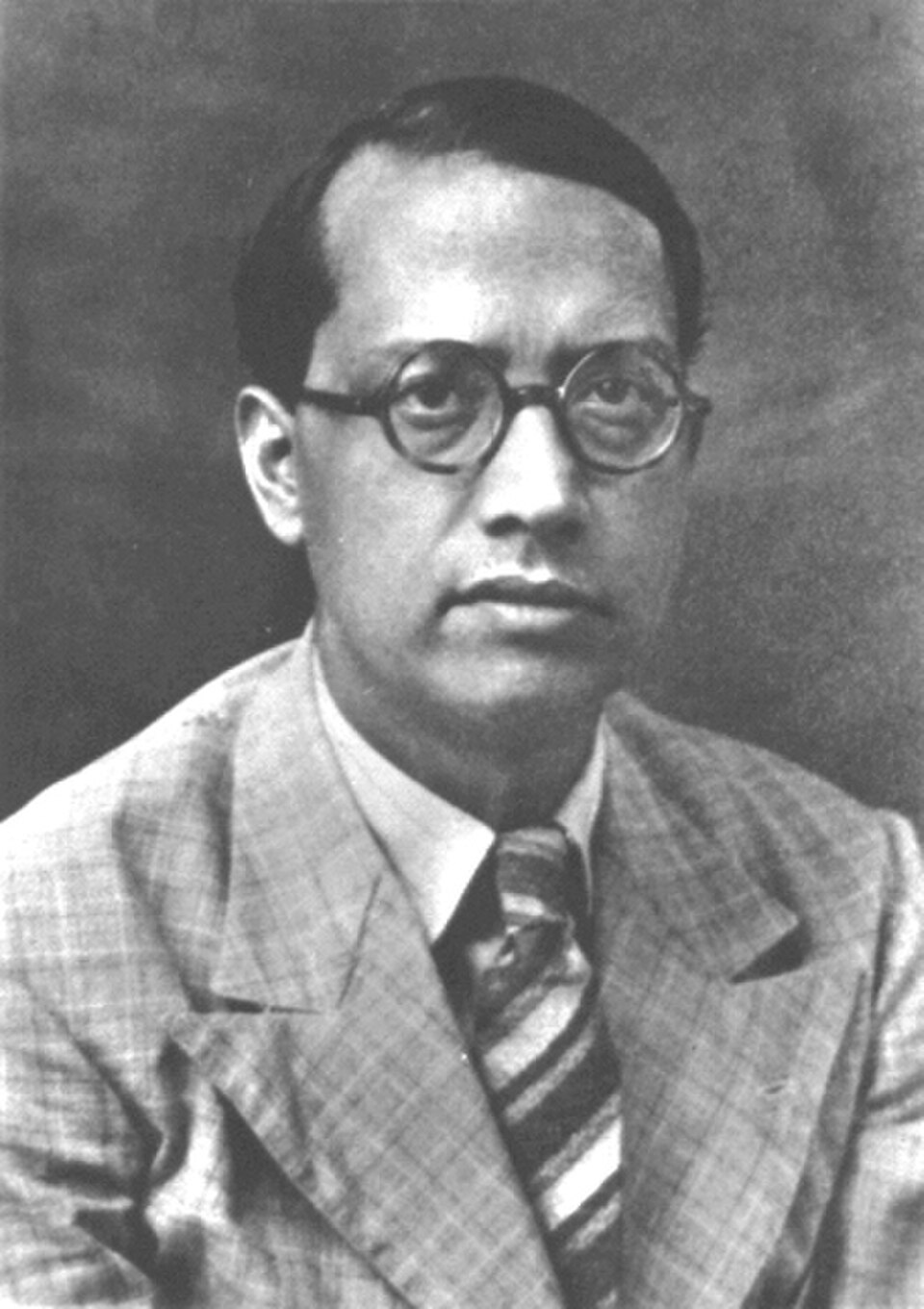
Responsibility for organizing this fell to the newly created Election Commission of India, established under Article 324 of the Constitution in January 1950, and to its first Chief Election Commissioner, Sukumar Sen, a former Indian Civil Service officer who had served as chief secretary of Bengal. Sen's commission had to build the machinery of a national election almost from scratch: compiling electoral rolls for a population with no existing system of civil registration, training polling staff, and printing enough ballot papers and boxes to serve nearly 200,000 polling stations. Preparing the rolls surfaced an unexpected problem: in several states, large numbers of women had been recorded not by their own names but by their relation to male relatives — as "so-and-so's wife" or "so-and-so's mother" — following a local custom of not giving one's name to strangers. The Commission ruled that a name was an essential part of an elector's identity and ordered such entries removed unless corrected, which meant close to 2.8 million women were initially struck from the rolls before a public campaign restored many of their names in time to vote.
A symbol for every candidate
The Commission's central design problem was literacy: at the time, only around 16 to 18 percent of Indian adults could read. Sen's office solved it with what came to be called the symbol system — each candidate was assigned a distinct visual symbol, printed on a ballot box of its own placed in every polling station, so a voter could identify a candidate by sight and post their ballot paper into the corresponding box rather than needing to read a name. Roughly 196,000 polling stations were set up nationwide, staffed by newly trained officials, and because of the country's size and varied climate and terrain, voting was staggered across several months rather than held on a single day — some high-altitude constituencies in Himachal Pradesh even voted in the autumn of 1951, before winter snow could cut them off, well ahead of polling in the plains.
A landslide, and a question answered
When the results were tallied in early 1952, the Indian National Congress won a commanding majority: 364 of the 489 seats in the new Lok Sabha, with about 45 percent of the vote, against 53 parties and roughly 1,874 candidates who contested nationally. Jawaharlal Nehru, who had led the country as prime minister since 1947 on the basis of the Constituent Assembly's confidence, now led it with a direct popular mandate behind him. The scattered opposition — including the Socialist Party, the Communist Party of India, and the Bharatiya Jana Sangh — won only a small fraction of seats between them, though the range of parties on the ballot showed that India's new democracy was genuinely contested rather than a formality.
Before the election, many observers inside and outside India had doubted that a country with such widespread poverty and low literacy could conduct a free election of this scale without chaos or manipulation. The election's largely orderly conduct, and the fact that it identified a government through the votes of ordinary citizens rather than negotiation among elites, went a long way toward settling that doubt, and the institutional model it established — an independent Election Commission running a phased, symbol-based, universal-franchise poll — has governed every Indian general election since.