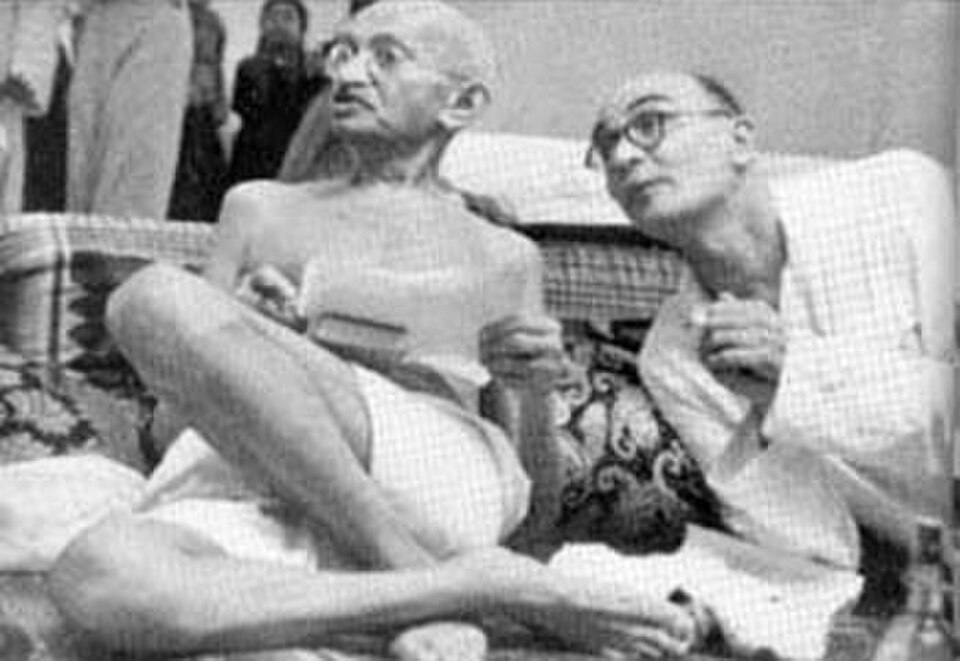
On 8 August 1942, the All India Congress Committee met at Gowalia Tank Maidan in Bombay and passed the Quit India Resolution, demanding an immediate end to British rule in India and authorizing a mass civil disobedience movement if the demand was refused. Congress leaders had rejected the Cripps Mission earlier that year, a British offer of eventual dominion status after the Second World War that fell well short of the immediate self-government Congress wanted, and with Japanese forces having already occupied Burma and reached India's eastern frontier, the demand carried real urgency. Addressing the crowd that evening, Gandhi delivered what became known as his "Do or Die" speech, telling Indians that everyone engaged in the struggle should resolve either to win freedom or to die in the attempt.
A leaderless movement, put down hard
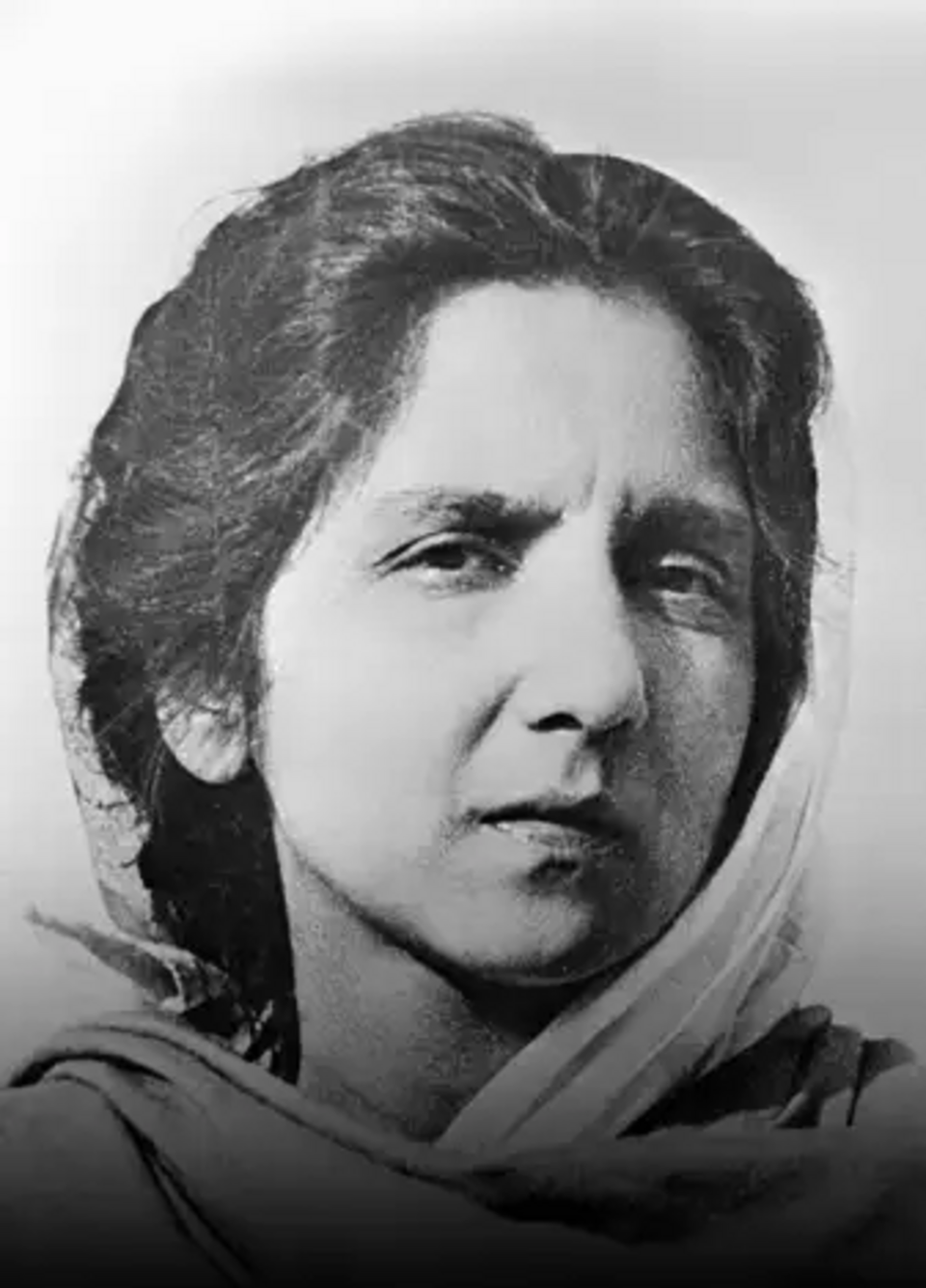
The British response was immediate and comprehensive. In the early hours of 9 August, before the movement had properly begun, police arrested Gandhi, Jawaharlal Nehru, Abul Kalam Azad, Vallabhbhai Patel, and most of the Congress Working Committee under the Defence of India Rules, and press censorship kept news of both the resolution and the arrests from being widely reported. With virtually its entire senior leadership removed within hours, the movement that followed was, unusually for a Congress-led campaign, largely leaderless at the top: it was sustained instead by students, workers, and local organizers, and by underground leaders such as Jayaprakash Narayan, Ram Manohar Lohia, and Aruna Asaf Ali, who kept up clandestine networks and channels for coordinating strikes and sabotage after the public leadership was jailed. Aruna Asaf Ali herself hoisted the Indian flag at Gowalia Tank Maidan on 9 August in defiance of the arrests, becoming one of the movement's most visible symbols. In several regions, notably Ballia in the United Provinces, Tamluk in Bengal, and Satara in Maharashtra, local activists went further and established short-lived parallel "national governments," collecting funds, providing relief, and running basic administration outside British control for months at a time. The uprising spread through strikes and the sabotage of railway lines and telegraph communications, and British forces responded with widespread arrests, baton charges, and, in a number of instances, gunfire on crowds. Estimates of civilian deaths in the resulting violence run to at least 1,000, and roughly 60,000 people had been arrested nationwide by the end of 1943.
How much did Quit India actually achieve
By early 1943, sustained British repression had suppressed most overt Quit India activity, and the movement did not itself force an immediate end to colonial rule — independence came five years later, in 1947. Historians today generally caution against two opposite oversimplifications. One, found in some later British and early historical accounts, treats 1942 as a failed uprising with little lasting consequence, pointing out that it was contained within a year and that the more immediate pressures on Britain's hold over India came afterward: the 1945-46 trials of Indian National Army officers at the Red Fort, which triggered enormous public sympathy and unrest, the Royal Indian Navy mutiny of February 1946, and Britain's post-war financial and military exhaustion. The other, found in some popular nationalist narratives, credits Quit India alone with breaking British will. Historians such as Bipan Chandra have argued for a middle position: that Quit India, the INA trials, and the 1946 naval mutiny are best understood as linked stages of the same process rather than rival claims to sole credit, with the mass mobilization and anti-imperial sentiment built in 1942 feeding directly into the sympathy that made the INA trials and the naval mutiny so politically explosive a few years later. What is not disputed is that Quit India was the last mass movement Congress organized against British rule before independence, and that its scale — reaching towns and villages with no involvement from the jailed central leadership — demonstrated a depth of popular anti-colonial sentiment that London could not indefinitely ignore.