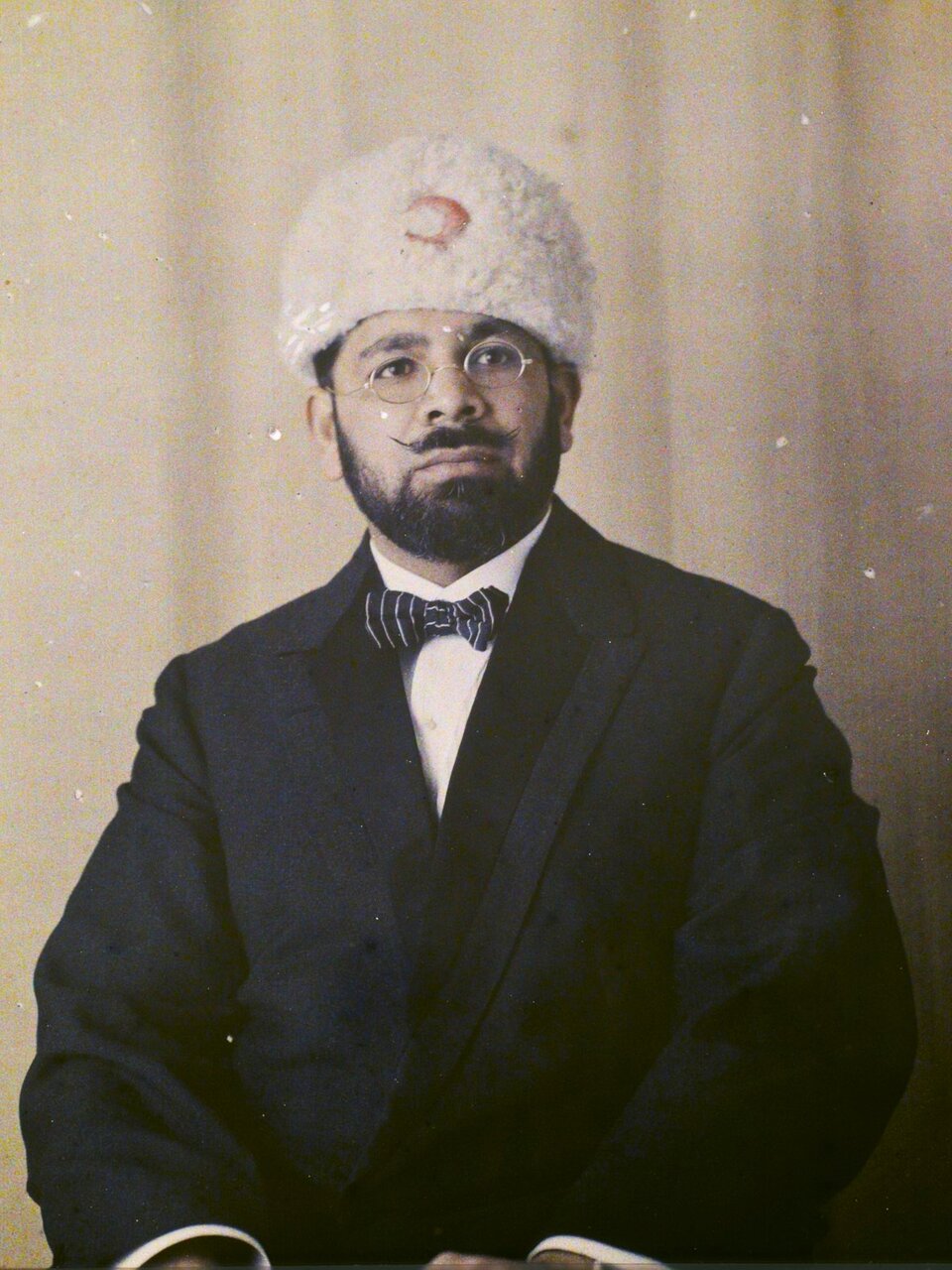
When the First World War ended in an Allied victory, it left the Ottoman Empire defeated and its territories marked for division. For many Indian Muslims, this was not a distant diplomatic matter: the Ottoman Sultan held the title of Caliph, a symbolic head of the wider Muslim community, and the prospect of the Allies dismantling that office altogether felt like an assault on a shared religious institution. Out of that anxiety grew one of the most unusual alliances of India's freedom struggle — one that briefly united Hindu and Muslim political energy behind a single campaign, and whose unraveling still shapes how historians read the limits of that unity.
A Caliphate Under Threat
Indian Muslim anxiety over the Ottoman Empire's fate had been building since Britain declared war on the Ottomans in 1914, but it sharpened considerably after the war ended. The Armistice of Mudros in October 1918 left Ottoman territory occupied, and speculation mounted that the Allies intended to strip the Sultan-Caliph of real authority. That speculation was confirmed by the Treaty of Sèvres, signed in August 1920, which partitioned Ottoman lands and reduced the Sultan to a figurehead. In response, the All India Khilafat Committee was formed in Bombay in March 1919 to organize protest and press the British government to preserve the Caliphate's authority intact.
Gandhi Joins the Cause
The Committee's most visible organizers were two brothers, Maulana Mohammad Ali Jauhar and Maulana Shaukat Ali, working alongside figures including Dr. Mukhtar Ahmed Ansari, Hasrat Mohani, Maulana Abul Kalam Azad, and Dr. Hakim Ajmal Khan. The movement staged an early show of strength on 17 October 1919, observed nationally as Khilafat Day, followed by the All India Khilafat Conference in Delhi that November, which issued a manifesto calling on the British to protect the Caliphate.
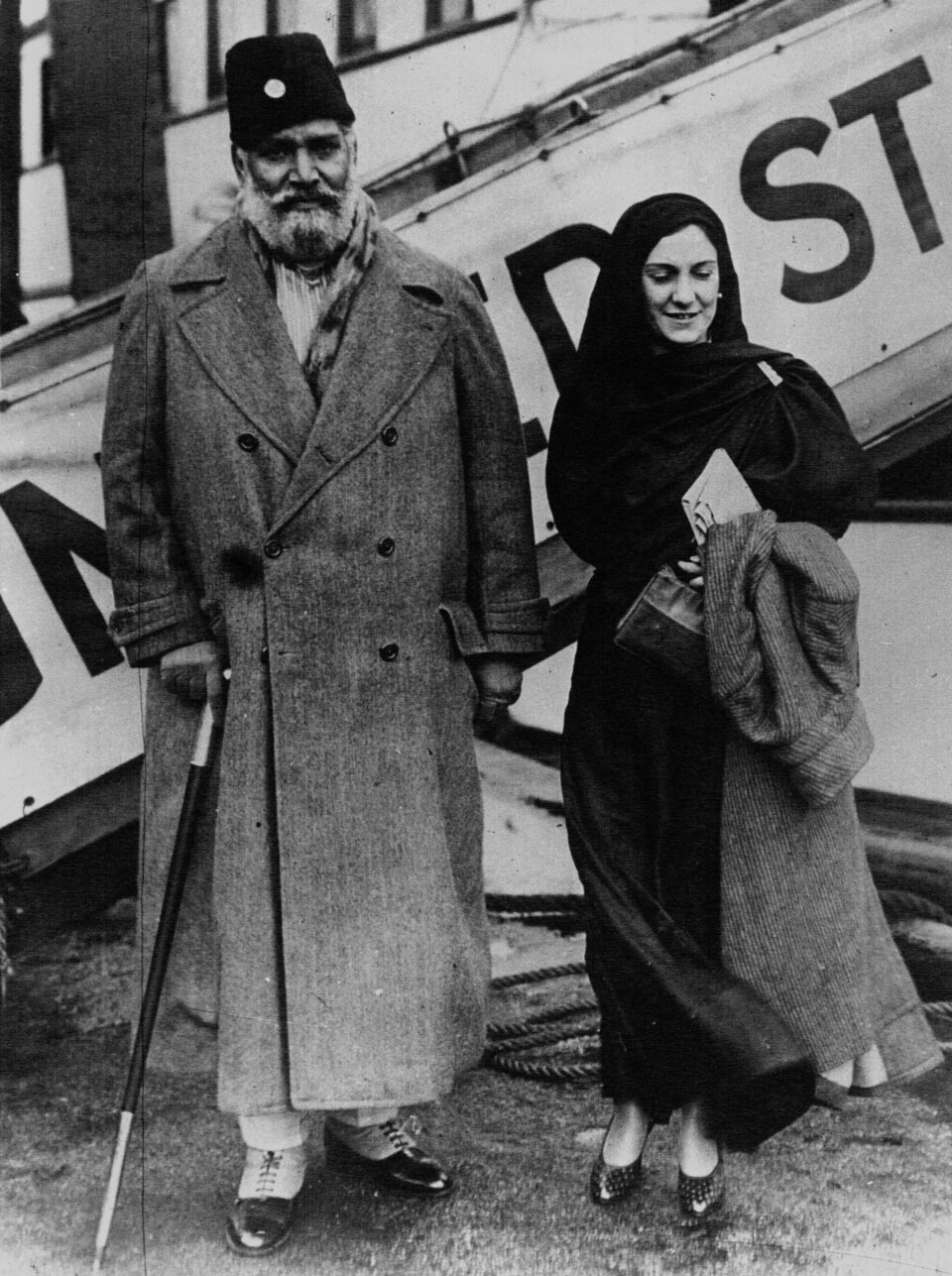
Mahatma Gandhi saw in this grievance an opportunity Indian nationalism had not yet found: a cause capable of drawing Muslims into the freedom struggle alongside Hindus at genuine scale. He backed the Khilafat cause publicly, and when the Central Khilafat Committee met in Allahabad in June 1920, it adopted a program that dovetailed directly with what would become the Non-Cooperation Movement — a boycott of British titles, courts, schools, and legislative councils. A Khilafat delegation led by Mohammad Ali traveled to England that March to press the case directly, without success, and by the second half of 1920 the two campaigns were running as one, producing the broadest Hindu-Muslim political coalition the nationalist movement had yet achieved.
Malabar, Collapse, and an Uneasy Legacy
That unity had limits, and where it broke down remains genuinely contested among historians rather than a settled footnote. In Malabar, on India's southwestern coast, Khilafat-Non-Cooperation agitation among Muslim peasant cultivators known as Moplahs fed into an uprising in 1921 that began as an extension of the political campaign but escalated, from around July of that year, into violence against local Hindu landlords and residents. Some historians treat the Moplah Rebellion primarily as a continuation of Khilafat mobilization overtaken by long-standing agrarian grievances specific to Malabar's land-tenure system; others emphasize the communal turn itself as evidence of how thin the Hindu-Muslim alliance's local footing could be once it left the control of its national leadership. Both readings appear in the mainstream historical literature, and the episode did lasting damage to the coalition Gandhi had built.
The movement's political fortunes worsened from there. The Ali brothers were arrested and jailed in September 1921, and after the wider Non-Cooperation campaign was withdrawn in early 1922, Khilafat agitation lost its shared platform. Its underlying cause dissolved soon after regardless: Mustafa Kemal Atatürk's nationalist government abolished the Ottoman Sultanate in November 1922, and Turkey's Grand National Assembly abolished the Caliphate itself on 3 March 1924. The institution Indian Muslims had organized to defend was ended not by the British, but by Turkish secular reformers — leaving the Khilafat movement without a cause to rally around, even as the coalition it had built briefly, and the strains that broke it, remained part of the freedom movement's memory.